

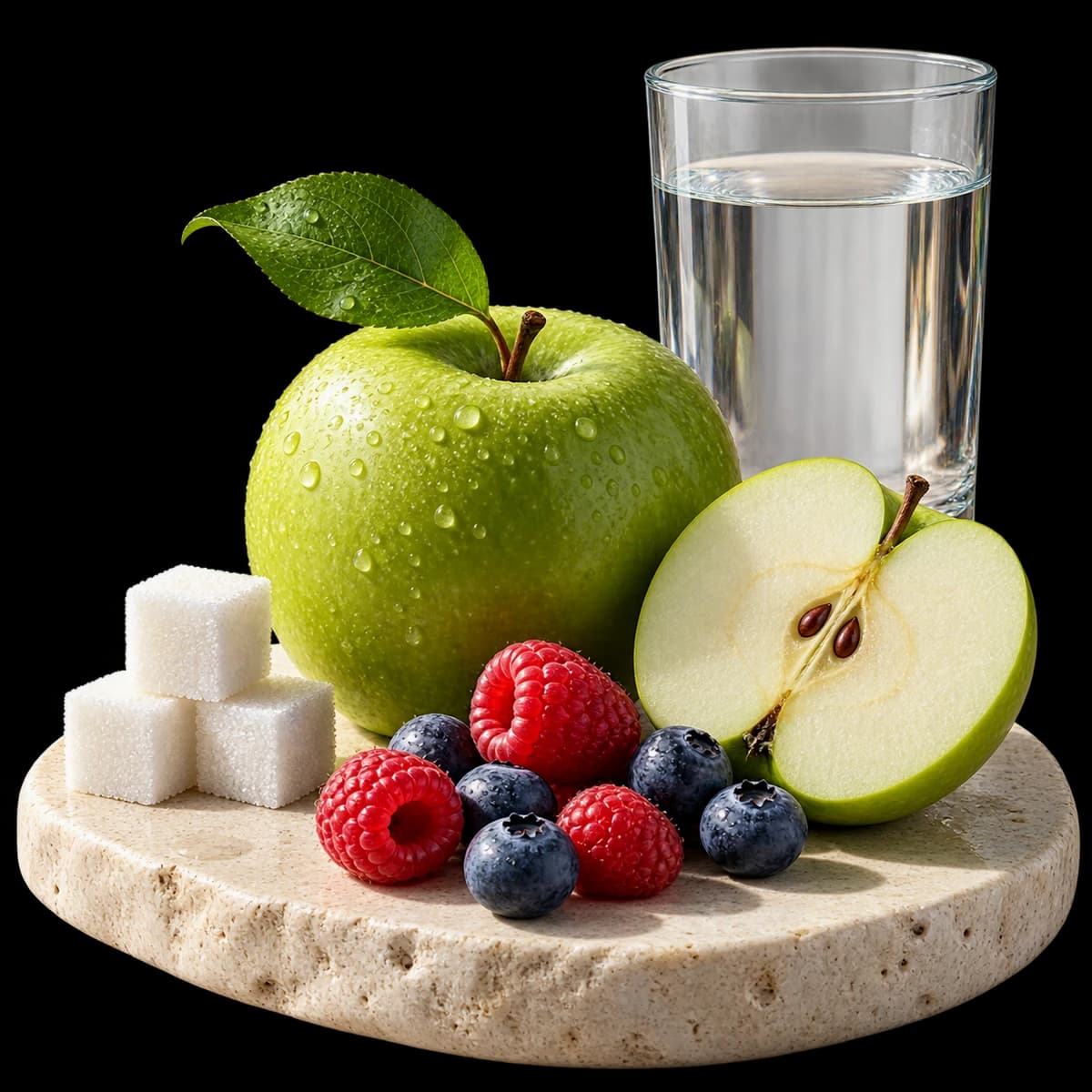
What counts as sugar?
Sugar is a type of carbohydrate. Some foods, including fruit and milk, contain it naturally. Sugar is also added to many foods and drinks.
You may recognise names such as glucose, fructose, and sucrose. Your body uses glucose for energy and can get it from other carbohydrates, so you don’t need to add table sugar for that purpose. When you’re reading a label or health advice, these terms help explain which sugars are being discussed.[7]
Total sugars
Every sugar in a food, whether it occurs naturally or has been added.
Example: the sugars in plain or sweetened yoghurt.Added sugars
Sugars a manufacturer adds, or that you add when cooking or eating.
Example: sugar stirred into tea or added to cereal.Free sugars
Added sugars, plus sugars in honey, syrups, fruit juice, and juice concentrates.
Example: the sugars in honey or a glass of juice.WHO’s definition of free sugars excludes sugars inside intact fruit and vegetables, as well as those naturally present in milk.[1]
How sugar affects your health
Public health advice is to reduce free sugars while eating a varied, nourishing diet. It helps to look at what you eat and drink regularly, without judging your whole diet by one dessert.
Sugar and tooth decay
Bacteria in your mouth feed on sugars and produce acids that can damage your teeth. The amount of sugar and how often your teeth are exposed both matter. Sipping a sugary drink throughout the day keeps that exposure frequent.[1]
Sugary drinks and weight gain
Sugary drinks make it easy to take in extra energy. Higher free sugar intake can contribute to weight gain when it raises your total energy intake. If you have a sugary drink regularly, replacing it is one place to start.[1]
Longer term health risks
Higher sugar intake, especially from sugary drinks, is linked with metabolic health risks, including type 2 diabetes. The strength of the evidence varies between conditions, and sugar is one of several factors involved.[2]
Start with a source of sugar you have often and would find easy to change. You can still leave room for sweet foods you enjoy.
How much sugar is recommended?
WHO recommends keeping free sugars below 10% of daily energy intake. It conditionally suggests reducing below 5% for additional benefit, particularly for dental health. German nutrition and diabetes organisations also recommend the 10% limit.[1][6]
An example in grams
For someone eating 2,000 kcal a day, those percentages work out as:
The figures refer to free sugars, rather than all sugars in your food. They aren’t personal allowances. Energy needs vary, and the advice is to stay below the relevant percentage.
These figures help explain the recommendation. You can begin by changing a regular food or drink without counting every gram of sugar.
How to read food labels
Check both the nutrition declaration and the ingredients list on the back of the pack. Each tells you something different.
On EU labels, “carbohydrate, of which sugars” means total sugars. On a German label, look for “Kohlenhydrate, davon Zucker”. The number includes naturally occurring sugars, so it won’t tell you how much added or free sugar the food contains.[3]
Comparing two yoghurts
These simplified examples use made-up products. They show only part of a nutrition declaration.
Plain yoghurt
Ingredients: milk, yoghurt cultures.
Sweetened yoghurt
Ingredients: milk, sugar, yoghurt cultures.
- Compare like with like. Use the per 100 g or 100 ml column so different serving sizes don’t distort the comparison.
- Check the ingredients. The sweetened yoghurt has added sugar. The plain yoghurt still contains naturally occurring milk sugar.
- Consider your portion. A 150 g pot contains 1.5 times the amounts shown per 100 g.
You can’t reliably calculate added sugar by subtracting one yoghurt’s sugars figure from the other. Their recipes and ingredients can differ.
In the ingredients list, you might see sucrose, glucose syrup, or dextrose. Honey and syrups also contribute sugars. A “no added sugars” claim still allows naturally occurring sugars, so it doesn’t mean “sugar free”.[4]
Try one everyday swap
Choose a food or drink you have often, then try a less-sweet version. Give yourself time to get used to the change.
Your usual drink
Swap a sugary drink for water, sparkling water, or unsweetened tea. If you want more flavour, try lemon or mint.
Plain yoghurt with toppings
Add whole berries or chopped fruit to plain yoghurt. Nuts or seeds give it some crunch too.
Oats for breakfast
Try unsweetened oats with fruit and cinnamon. If you’re buying cereal, compare the sugars and fibre as well as the ingredients list.
Less sugar in your cup
If you add sugar to tea, coffee, or porridge, try using a little less at a time. Gradual changes may be easier to keep up.
Choose swaps you enjoy and can afford. Keep your diet varied and make sure you’re still getting the nourishment you need.[7]
Browse recipes to try at homeChoosing sugar alternatives
Using whole fruit
Whole fruit adds water, fibre, and other nutrients to a meal, along with flavour and texture. Fruit juice and concentrates are different: WHO counts their sugars as free sugars.[1]
Honey and syrups
Honey, maple syrup, and agave syrup contribute free sugars. Use them if you enjoy their flavour, and consider how much you add. Brown sugar and coconut sugar still contribute sugar too.
Naturally sweetened recipes
Banana cookies, baked apples, and date snacks can be enjoyable things to make. They still contain sugars, and “naturally sweetened” doesn’t guarantee less sugar or fewer calories. Check the ingredients, preparation, and portion.
Non-sugar sweeteners
WHO conditionally recommends against using non-sugar sweeteners for long term weight management or disease prevention. The evidence has limitations, and this recommendation isn’t a safety ruling on each approved sweetener. Another option is to gradually get used to less-sweet food and drinks.[5]
Common questions about sugar
Do I need to stop eating all sugar?
No. You can eat whole fruit, vegetables, and plain milk products as part of a balanced diet. The advice here is to cut back on free sugars, especially foods and drinks you have often or in large amounts. There’s no need to cut out carbohydrates or make every meal sugar free.[1]
Is the sugar in fruit different?
Whole fruit contains fibre and water as well as sugar. WHO excludes the sugars in intact fruit from its definition of free sugars, but includes those in fruit juice and juice concentrates. The form and portion matter, so different fruit products aren’t interchangeable.[1]
Is honey healthier than table sugar?
Honey’s sugars count as free sugars, just like those in maple syrup and agave syrup. Choose one if you enjoy its flavour, and pay attention to how much you use. Swapping the ingredient alone doesn’t reduce the amount of sweetness you add.[1]
Does ‘no added sugar’ mean sugar free?
No. A food can still contain naturally occurring sugars. In the EU, a no-added-sugars claim also rules out foods added for their sweetening properties. Check the nutrition declaration and ingredients list together to see what’s in the product.[4]
Are sweeteners a good replacement?
WHO conditionally recommends against using non-sugar sweeteners for long term weight control or disease prevention. That recommendation doesn’t mean all approved sweeteners are unsafe. It excludes people with existing diabetes and sugar alcohols such as xylitol. You could also try gradually making your food and drinks less sweet.[5]
Does eating sugar cause diabetes?
Type 2 diabetes has several contributing factors. Higher sugar intake, particularly from sugary drinks, is linked with metabolic health risks. That doesn’t mean one sugary food directly causes diabetes. If you have diabetes, ask your healthcare team for advice suited to you; this guide can’t replace a treatment plan.[2]
Put a swap into practice
Pick a drink, breakfast, or snack you’d like to change this week. The recipes here use familiar ingredients and explain the steps, so you can try something at home.
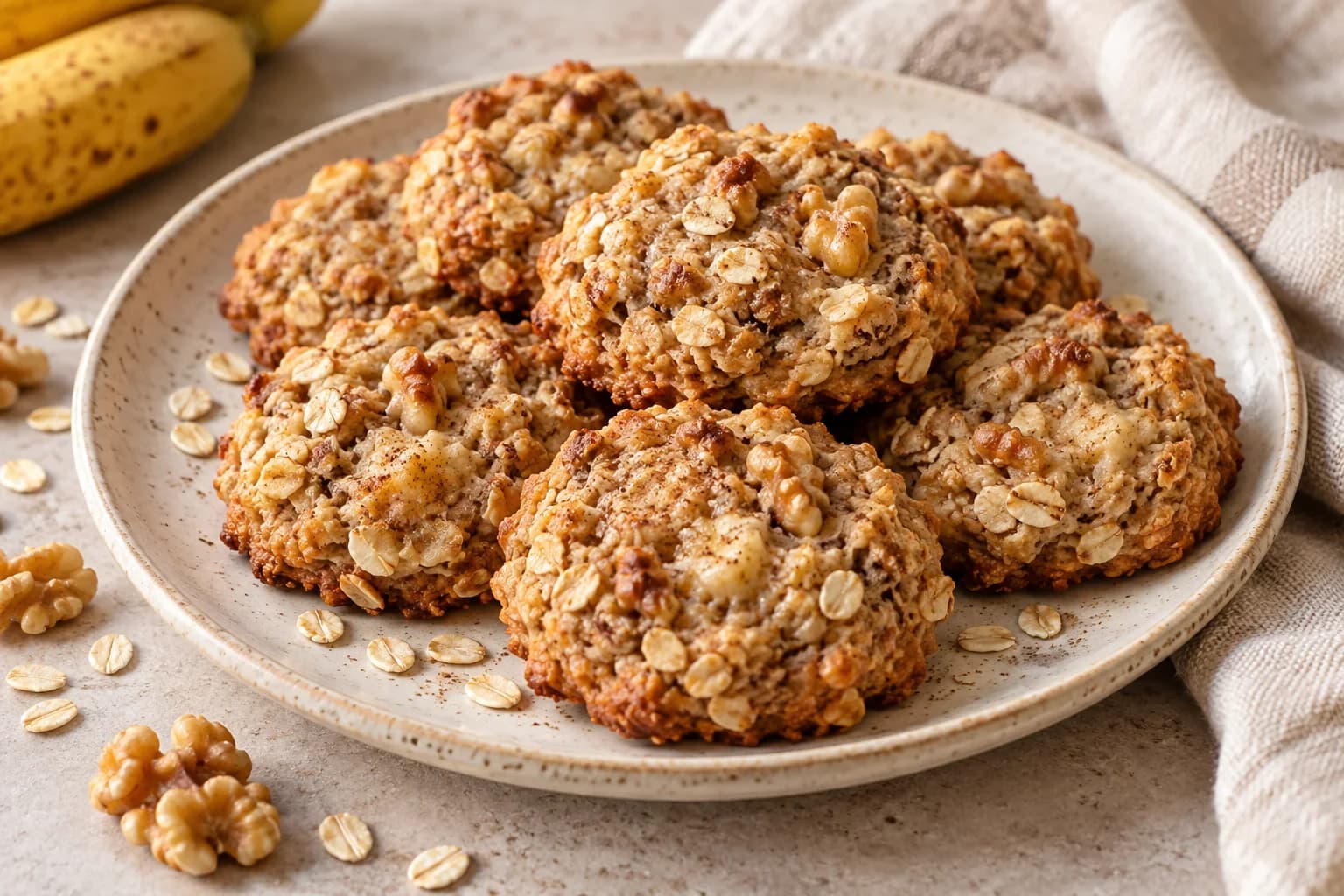
Banana and Oat Cookies
Soft cookies with the natural sweetness of ripe banana and a hint of cinnamon.
View recipe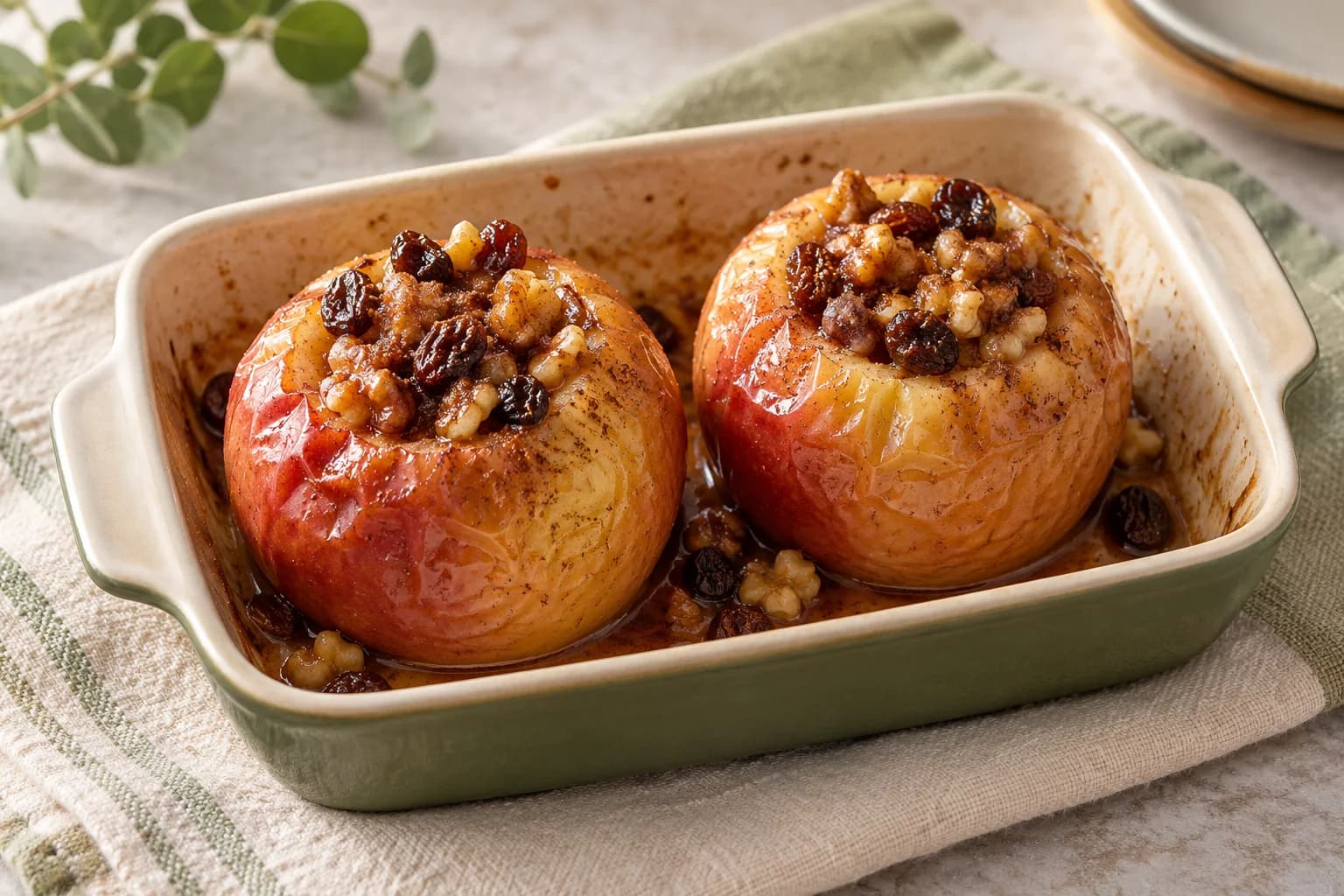
Baked Apples with Walnuts and Cinnamon
A warm dessert with the natural sweetness of apples and raisins, crunchy walnuts and fragrant cinnamon.
View recipe